

GSR EXIM is an export-focused company specializing in dehydrated onion, vegetables, and agricultural products. Based in India, we supply consistent, export-ready ingredients to global B2B buyers. With strong sourcing networks, quality-focused process...
- (+91) 8125264224
- gsrexim88@gmail.com
- Hyderabad, , BALAJINAGAR HYDERABAD, Telangana, India. 500055
© 2020 GSR EXIM. All Rights Reserved
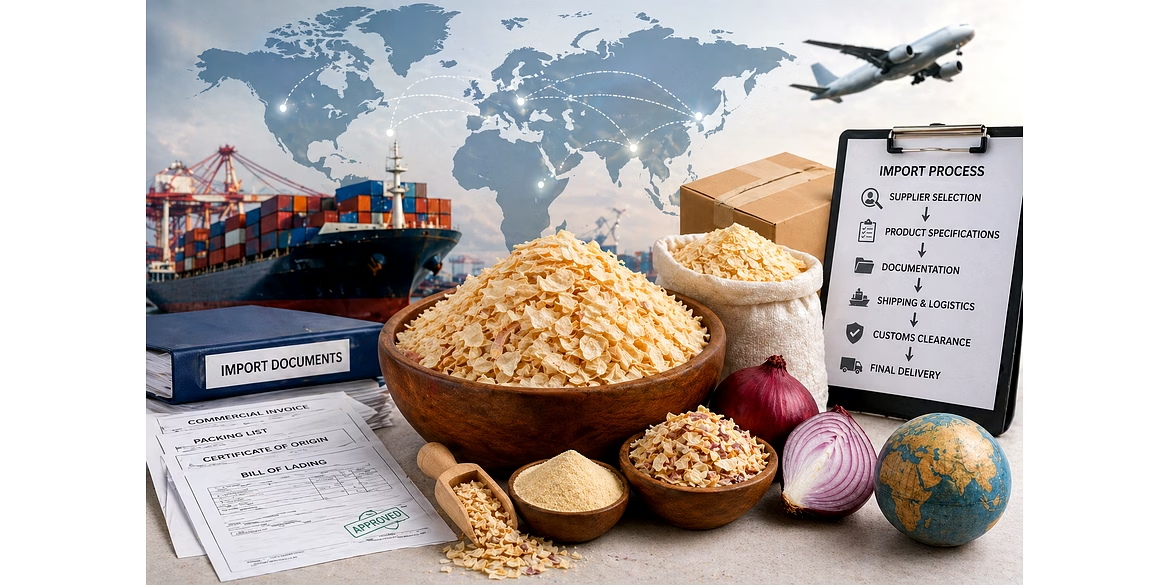

Importing dehydrated onion from India is a structured process involving supplier selection, product specifications, compliance, and logistics. This guide helps global buyers navigate bulk sourcing of flakes, minced, kibbled, and powder forms efficiently.
Overview of Importing Dehydrated Onion from India
India is a leading exporter of dehydrated onion products, offering reliable supply for international markets. Buyers benefit from competitive pricing, wide product availability, and strong export infrastructure.
- India is a major producer of dehydrated onion products
- Availability of flakes, minced, kibbled, and powder
- Competitive pricing for bulk supply
- Strong export infrastructure and global reach
Step 1: Identify a Reliable Dehydrated Onion Supplier
Choosing a trusted dehydrated onion supplier in India is critical for ensuring quality and long-term supply reliability.
- Check supplier experience in international trade
- Review product range and specifications
- Verify quality standards and certifications
- Assess ability to handle bulk orders
Step 2: Understand Product Specifications and Requirements
Clearly defining product specifications ensures compatibility with food processing applications and avoids procurement issues.
- Select product form such as flakes, minced, kibbled, or powder
- Define size, moisture content, and quality parameters
- Confirm packaging type and quantity
- Align specifications with end-use requirements
Step 3: Check HS Codes and Import Regulations
Understanding HS codes and country-specific regulations is essential for smooth customs clearance when importing dehydrated onion.
- Common HS codes include 071220 and 071290
- Verify import regulations in destination country
- Ensure compliance with food safety standards
- Check labeling and documentation requirements
Step 4: Evaluate Pricing and Payment Terms
Pricing and payment terms should be clearly agreed upon to ensure transparency and cost efficiency in bulk dehydrated onion imports.
- Compare bulk pricing and cost efficiency
- Understand FOB, CIF, or other shipping terms
- Agree on payment methods such as advance or LC
- Evaluate total landed cost
Step 5: Packaging and Quality Assurance
Proper packaging and quality checks ensure product safety during transportation and storage.
- Use of 20–25 kg HDPE bags for bulk supply
- Moisture-resistant packaging materials
- Quality checks for consistency and safety
- Compliance with export standards
Step 6: Manage Export Documentation and Compliance
Accurate documentation ensures smooth export and import processes without delays.
- Commercial invoice and packing list
- Bill of lading or airway bill
- Certificate of origin
- HS code classification and compliance documents
Step 7: Shipping and Logistics Coordination
Efficient logistics management ensures timely delivery of dehydrated onion shipments.
- Choose between sea or air shipping methods
- Coordinate with freight forwarders
- Track shipment and delivery timelines
- Ensure proper handling during transit
Step 8: Customs Clearance and Final Delivery
After shipment arrival, proper customs clearance is required before final delivery to your warehouse or facility.
- Submit required documents to customs authorities
- Pay applicable duties and taxes
- Complete inspection and clearance procedures
- Arrange final delivery
Benefits of Importing Dehydrated Onion from India
India offers several advantages for global buyers sourcing dehydrated onion products, making it a preferred export destination.
- Competitive pricing and cost efficiency
- High-quality agricultural sourcing
- Wide product availability
- Reliable export supply chain
FAQs: Importing Dehydrated Onion from India
What documents are required to import dehydrated onion from India?
Key documents include commercial invoice, packing list, bill of lading or airway bill, and certificate of origin.
What HS code is used for dehydrated onion?
Common HS codes include 071220 and 071290, depending on product type and country regulations.
How do I choose a reliable dehydrated onion exporter?
Evaluate supplier experience, certifications, product quality, and export capabilities before selecting a partner.
What is the best packaging for importing dehydrated onion?
HDPE bags (20–25 kg) with moisture-resistant materials are commonly used for bulk supply.
How long does it take to import dehydrated onion from India?
Shipping time depends on destination, with sea freight taking longer and air freight offering faster delivery.
What are the benefits of importing dehydrated onion instead of fresh onion?
Benefits include longer shelf life, lower transport costs, reduced spoilage, and easier storage.
Who typically imports dehydrated onion from India?
Food manufacturers, importers, distributors, seasoning companies, and HoReCa businesses commonly source dehydrated onion.